

How Stress Affects Your Body and Ways to Manage It
 easyupdatemediaNovember 15, 20252 Mins read29
Today’s world frequently feels like a pressure cooker. There seems to be an endless supply of things to worry about, ranging from personal obligations to work deadlines. But when things get hard, what happens to your body and mind?
Your mind speaks through your body — listen to its whispers before stress turns them into screams.
Why Does Stress Matter and What Is It?

Stress is a normal reaction to stressors, which are threats or challenges. The “fight or flight” reaction that your body has in response to stressors can help you cope with danger.
Hormones like cortisol and adrenaline are released in response to this reaction, readying your body to respond swiftly. On the other hand, chronic stress can be detrimental to your physical and mental health.
Since stress affects people differently, it is important to understand it. Some people may feel overburdened by pressure, while others may flourish under it.
You can manage stress more effectively if you understand how it shows up in your life.
Stress isn’t always a bad thing; it can inspire you to work hard and accomplish your objectives. However, it’s crucial to control it to prevent negative health effects.
The Impact of Stress on the Heart

The cardiovascular system is among the organs most affected by stress. Your heart rate rises and your blood vessels narrow when you’re under stress.
This gives you a boost of energy by supplying your muscles with more oxygen and nutrients. Chronic stress, however, can result in long-term cardiac issues.
Chronic stress has been related in studies to heart attacks, strokes, and high blood pressure.
Stress hormones can harm your arteries and blood vessels, causing plaque accumulation and heart disease. Maintaining a healthy heart requires effective stress management.
It is crucial to keep an eye on your heart health if you are under a lot of stress. Seeing your doctor on a regular basis can help you spot any possible issues early.
Including stress relieving practices like meditation and exercise can also help your heart.
Stress is inevitable, but suffering is optional. Master your mind, and you master your health.
The Effect on Immune System Function

Stress can impair your immune system in addition to your heart. Your body’s capacity to fend off infections declines under stress. This increases your vulnerability to diseases like the flu and the common cold.
Prolonged stress can cause the body to become inflamed, which weakens the immune system. Your body may find it more difficult to fight off infections or recover from injuries as a result of this inflammation.
Autoimmune diseases, in which the immune system targets healthy cells, are more common in people who are under a lot of stress.
It’s critical to learn stress management techniques in order to safeguard your immune system. Maintaining a healthy immune system can be achieved by eating a balanced diet, getting enough sleep, and engaging in relaxation exercises.
Your Digestive System’s Impact
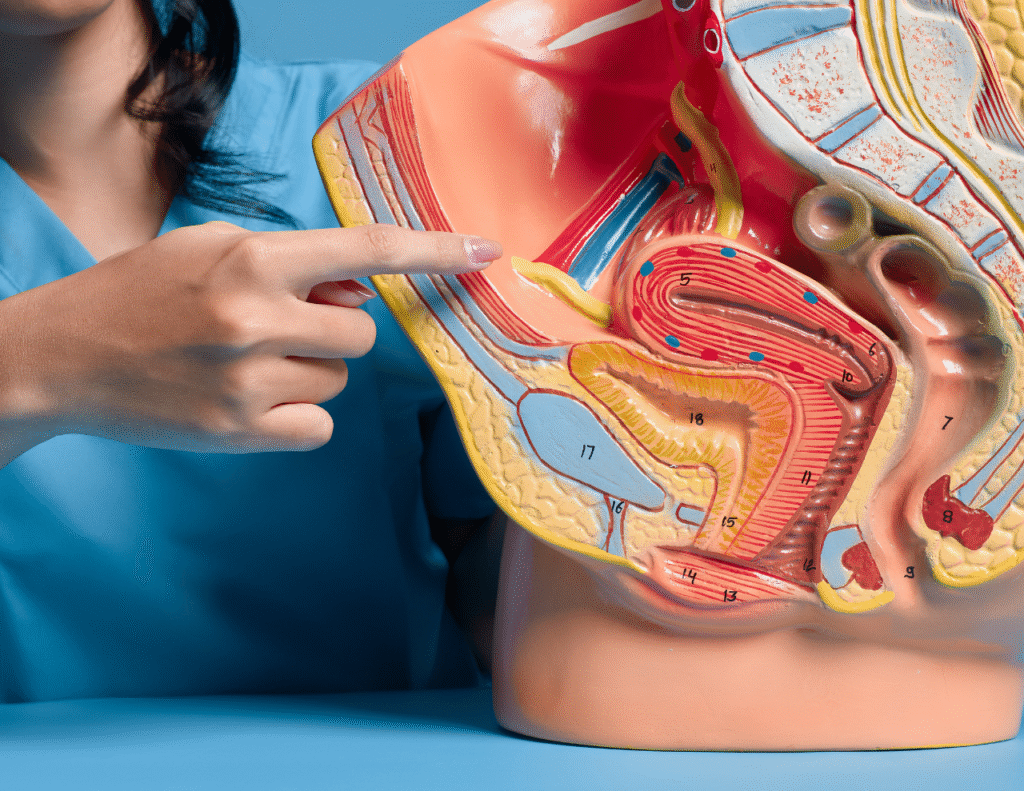
Before a significant event, have you ever experienced “butterflies” in your stomach? Your digestive system is being impacted by your body’s stress response. From mild discomfort to more serious conditions, stress can lead to a variety of digestive problems.
Your body shifts blood flow from your digestive tract to your muscles and brain when you’re under stress.
Constipation, diarrhea, and indigestion may result from this. Chronic stress can also make conditions like ulcers, hyperacidity, and irritable bowel syndrome (IBS) worse.
Conclusion
Although stress is a normal part of life, you don’t have to let it rule you. You can effectively manage stress by being aware of how it affects your body and mind.
Your health and well-being can be enhanced by incorporating stress relieving activities into your daily routine, creating a support system, and getting professional assistance when necessary.







The Truth About Carbs: Are They Really Bad for You?
They used to be the center of attention, but now they bear...
easyupdatemedia2 Mins read

How to Build a Healthy Daily Routine That Sticks
Have you ever had a day where you sit at your desk...
easyupdatemedia2 Mins read

Morning vs. Evening Workouts: Which is Better for You?
Exercise is beneficial to our bodies, whether it is done during the...
easyupdatemedia3 Mins read

Is 10K Steps Still the Gold Standard? Fitness Myths Busted!
10,000 steps a day. The golden number. Or is it? It’s the...
easyupdatemedia2 Mins read



Leave a comment